Barking Skip Hire Health and Safety Policy
 This Health and Safety policy sets out the standards and procedures that govern safe operations for a local rubbish company and skip hire business. It aims to protect employees, contractors, customers and members of the public from harm arising from waste collection, skip delivery, loading and waste removal activities. The policy is applicable to everyday operations of a waste removal company and reflects a commitment to continuous improvement in safety performance. Safety is an integral part of how we deliver rubbish collection and skip hire services.
The policy provides practical rules and responsibilities so every team member understands what is expected when operating vehicles, handling waste, and working at customer sites. It describes risk assessment processes, training requirements, equipment maintenance, and incident reporting. These provisions apply across our service area for all types of waste and skip services, whether routine rubbish collection or specialist disposal tasks. The aim is to minimise accidents and ensure compliance with general health and safety principles.
 All staff must follow safe systems of work and observe precautionary controls. Supervisors will ensure that risk assessments are carried out for tasks such as manual handling of waste, loading bulky items into skips, working near traffic, and operating lifting equipment. Proper use of personal protective equipment (PPE) is mandatory for employees engaged in waste transport, skip placement and refuse removal activities. Regular checks and a clear escalation procedure help maintain safe working environments.
Roles, Responsibilities and Training
Management is responsible for providing adequate resources for health and safety and ensuring that this policy is implemented consistently. Line managers must ensure workers are competent for their roles through appropriate induction, job-specific training and periodic refresher courses. Employees are required to work safely, report hazards immediately, and participate in safety briefings and toolbox talks. Everyone has a role in making the workplace safe.
 Key responsibilities include:
- Risk assessments: identify hazards related to rubbish handling, vehicle operations and skip siting.
- Safe systems: documented procedures for loading skips, securing loads and working beside the highway.
- PPE & equipment: correct selection, fitting and maintenance of protective gear and lifting aids.
- Training: regular competence checks for drivers, loaders and yard staff.
Training programs will cover manual handling, vehicle safety, hazardous waste recognition, and emergency procedures. Contractors and temporary workers must meet the same safety standards as permanent employees before undertaking any operational tasks for the rubbish removal service.
Operational Safety Controls
 Operational controls are designed to manage the risks commonly faced by a skip hire and rubbish collection business. Vehicle inspections should take place daily, with records kept for maintenance activities. Load restraint measures must be used to prevent spillage during transit. When placing skips on public property, the team will follow traffic management principles and use signage and cones where required to protect the public and workforce.
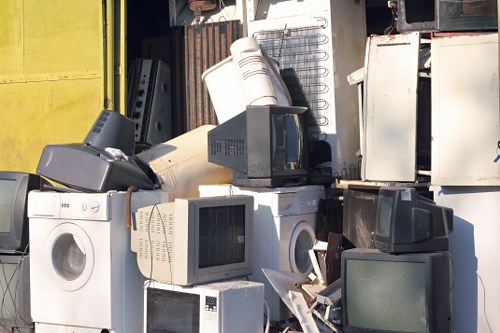
Special precautions are required for hazardous or potentially harmful waste. A clear segregation policy ensures that chemical, electronic and asbestos-containing items are identified, handled and stored separately and referred to specialist waste removal services when necessary. Never assume all waste is safe to handle without assessment; if in doubt, stop work and seek managerial guidance.
 Incident reporting and investigation are essential. All injuries, near misses and dangerous occurrences must be reported immediately so corrective actions can be implemented. Investigations will identify root causes, whether procedural, training-related or equipment failures, and will produce actions to reduce recurrence. Records of incidents, risk assessments and training provide evidence of compliance and support continual improvement.
Health and welfare provisions are included to protect staff working in varied conditions. Adequate rest, hydration, exposure control measures for dust and fumes, and provision of washing facilities help maintain employee wellbeing. The company will provide access to occupational health support where needed and encourage early reporting of health concerns to prevent escalation.
Routine audits and safety inspections help ensure the rubbish company operates to defined standards. Internal audits, periodic third-party assessments and consultation with staff are part of the governance process. Findings from audits will inform updates to operational practices and the safety management system, ensuring a responsive approach to emerging risks and legislative changes.
Compliance with this policy is mandatory for all personnel and contractors engaged by the waste management service. Non-compliance may lead to disciplinary action and will be addressed promptly to maintain a safe working environment. This policy will be reviewed annually or sooner after a significant incident or change in operations, ensuring it remains relevant and effective for skip hire, waste collection and refuse removal activities.
The commitment to safety is supported by clear lines of communication: employees are encouraged to raise concerns, suggest improvements and participate in safety reviews. A culture that values proactive risk management, clear reporting and practical training will deliver safer outcomes for staff and the public while enabling reliable rubbish removal and skip services across the area.
Key performance indicators for health and safety include reduction in lost time incidents, completion rates for required training, prompt corrective actions after inspections, and timely maintenance of vehicles and lifting equipment. These measures help the organisation demonstrate ongoing dedication to secure and responsible waste handling.
This Health and Safety policy is the foundation for safe operations within a skip hire and rubbish disposal business. It sets out expectations, procedures and a framework for continuous improvement so that rubbish collection, skip placement and waste removal are carried out responsibly, efficiently and safely.