Barking Skip Hire Complaints Procedure
 Scope and purpose. This procedure describes how complaints about the skip hire service provided by Barking Skip Hire and related rubbish removal operations are handled. It sets out the steps for registering a concern, the internal process for review, expected timescales, escalation routes and how we record outcomes. The aim is to ensure a fair, timely and transparent approach to resolving service issues while maintaining records that support continual improvement across our skip and waste collection services.
Policy principles. Complaints will be treated seriously, investigated impartially and handled with respect for confidentiality. All complaints will be acknowledged and logged, with clear ownership assigned for investigation and response. Complainants will receive an explanation of findings, details of any remedy offered and information on further escalation options if they remain dissatisfied.
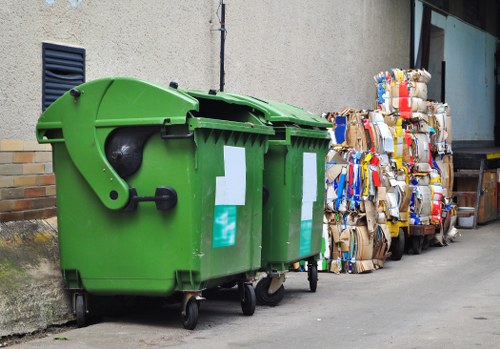 Who can complain and what is covered. Anyone who has used or been directly affected by the skip hire Barking service, delivery, collection or associated rubbish clearance activities may submit a complaint. Examples include late delivery or collection, damage to property during placement or removal, incorrect skip size supplied, unsafe placement or unsatisfactory disposal practices. Commercial and residential users are treated equally under this policy.
How to make a complaint
Complaints should be made promptly and clearly. Provide a concise account of the issue, the date and time of the event, the location, any relevant booking reference, the name of any staff or drivers involved and supporting evidence such as photographs. While contact details are needed to confirm receipt and to respond, personal data will be handled in accordance with data protection standards and only used for investigation and resolution.
Initial acknowledgement and triage. On receipt, complaints are acknowledged within a short timeframe and triaged according to severity. Complaints that raise immediate safety or environmental concerns are escalated for urgent action. Routine service quality issues follow the standard investigation pathway described below.
 Investigation process. The investigating officer will review booking and vehicle logs, interview staff where relevant and assess photographic evidence. A documented timeline of events will be prepared. Investigations aim to be thorough but proportionate, and the complainant will be kept informed of progress and any delays.
Resolution and outcomes
Once the investigation is complete, a formal response is issued describing findings and proposed actions. Possible outcomes include apology, corrective action (such as scheduling a re-collection or remedial site visit), a one-off goodwill gesture where appropriate, or confirmation that no further action will be taken. All outcomes will include reasoning and, where applicable, actions to prevent recurrence.
Timescales for response. Standard complaints will receive a full response within a specified number of working days from the date of acknowledgment. Complex or multi-party investigations may take longer; in such cases interim updates will be provided to explain the delay and the expected timeframe for final response.
Escalation and review. If the complainant is not satisfied with the initial resolution, the matter can be escalated to a senior reviewer within the organisation. The escalation will trigger an independent review of the original investigation, with findings communicated in writing and any additional remedial actions considered.
 Record keeping and transparency. All complaints and outcomes are recorded in the complaints register, which documents dates, parties involved, investigation notes and final decisions. Aggregated complaint data is used to identify trends in the skip hire service and rubbish collection operations, helping to prioritise training, process changes and safety improvements. Data will be retained securely in line with retention policies.
Confidentiality and conduct. Complaints will be handled confidentially to the extent possible. Complainants are expected to act in good faith and provide accurate information. Vexatious or malicious complaints may be closed if they meet defined criteria, following a proportional assessment and clear explanation to the complainant.
 Learning and continuous improvement. Where systemic issues are identified, action plans will be developed to address root causes. This may include additional staff training, changes in scheduling, updates to operational procedures for skip placement and removal, or adjustments to contractor oversight. The organisation is committed to using complaints as a constructive tool for improving overall service quality.
Independent review and legal rights. If, after internal escalation, a complainant remains dissatisfied, they may seek independent review through appropriate industry or regulatory bodies. Nothing in this procedure affects statutory rights or legal remedies available to complainants. The company will cooperate with legitimate external enquiries related to operational compliance or environmental obligations.
Accessibility and reasonable adjustments. Reasonable adjustments will be made to accommodate complainants with specific needs, ensuring the process is accessible to all customers and stakeholders using the local skip hire and rubbish removal services. Alternative formats or assistance can be considered during the complaints process.
Policy review. This complaints procedure will be reviewed periodically to ensure effectiveness and compliance with evolving regulatory requirements. Amendments will be made where necessary to reflect operational changes, legal updates or lessons learned from complaint trends in the skip hire sector.
Summary of commitments. In summary, the skip hire Barking complaints process commits to clear acknowledgement, fair investigation, timely responses, appropriate remedies and learning for improvement. The emphasis is on resolving issues efficiently while maintaining trust and safeguarding environmental standards associated with rubbish disposal and skip services.
Final notes. The procedure is designed to be transparent and objective, with responsibilities for investigation and resolution clearly allocated. It complements other governance arrangements and is part of the overall quality framework governing local skip hire operations and waste management activities.
Review date and versioning. This document is subject to periodic review and version control to ensure continued relevance and effectiveness within the skip hire and rubbish collection context.